
Root Canal Treatment Manhattan | Save Your Tooth, End the Pain
Root canals have an undeserved reputation. Most patients say it felt no worse than getting a filling.
100+
(5-star rating from our smiling customers.)
Experienced, Trusted Care
All-In-One Dental Services
Convenient & Accessible
root canal
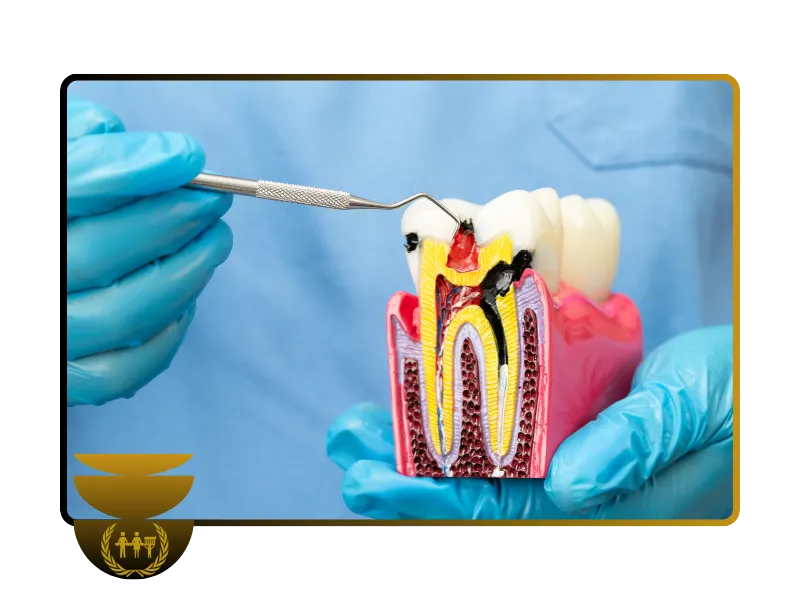
What is a Root Canal ?
A root canal is a procedure that removes infected or damaged tissue from inside the tooth, cleans and seals the root canals, and saves a tooth that would otherwise need to be extracted. It relieves pain, stops the infection, and restores the tooth to full function.
Despite its reputation, most patients report that a root canal is no more uncomfortable than having a filling placed. The procedure is performed under local anesthesia and the pain people associate with it is actually the infection itself, which the root canal resolves.
5,000+
iimplants placed
45+
YEARS OF EXPERIENCE
100+
countries represented
1K+
positive feedback
are you a CANDIDATE
Root canal treatment may be necessary if any of the following apply to you:
You have a severe or persistent toothache that does not go away
You have prolonged sensitivity to heat or cold that lingers after the source is removed
You have swelling or tenderness in the gums near a specific tooth
An X-ray has shown infection or an abscess at the root of a tooth
A tooth has become severely decayed or cracked and is causing pain
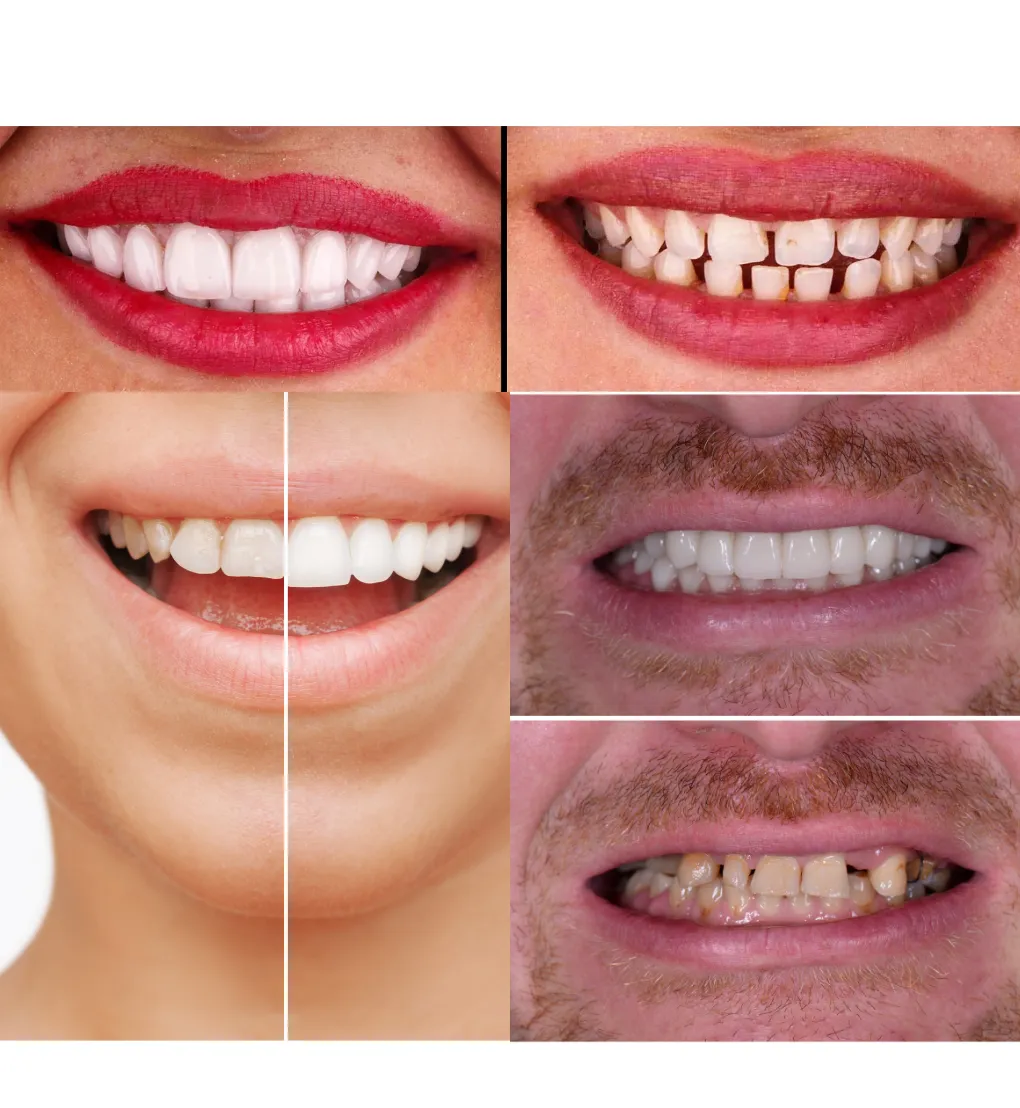
What to Expect During Your root canal Treatment
step by step Procedure

Diagnosis and X-Rays
We take digital X-rays to confirm the diagnosis and assess the extent of infection or damage. This tells us how many canals are involved and whether additional preparation is needed before treatment begins.

Anesthesia and Access
Local anesthesia is administered until the tooth and surrounding area are fully numb. A small opening is made through the top of the tooth to access the pulp chamber and root canals below.

Cleaning and Shaping
Infected and damaged pulp tissue is removed from the canals using precision instruments. The canals are shaped and cleaned thoroughly, then irrigated with an antimicrobial solution to eliminate remaining bacteria before sealing.

Sealing and Restoration
The cleaned canals are filled and sealed with a rubber-like material. A temporary filling protects the tooth until your follow-up appointment where a permanent crown is placed to restore the tooth to full strength and function.
Benefits
BENEFITS of root canals

Saves Your Natural Tooth
A root canal keeps your natural tooth in place, preserving the surrounding bone and avoiding the cost and process of a replacement.

Stops Infection from Spreading
An untreated dental abscess can spread to the jaw, neck, and in serious cases become systemic. A root canal stops the infection at its source.

Relieves Pain Immediately
The pain patients associate with root canals is actually the infection. Once the infected tissue is removed, most patients feel significant relief within 24 to 48 hours.

Most Insurance Covers It
Root canal treatment is classified as a restorative procedure and is covered at 50 to 80 percent by most dental insurance plans.
Benefits
Full Arch Restoration
All-on-6 replaces an entire arch of missing teeth with one fixed, comprehensive solution — upper, lower, or both.
Superior Stability
Six implants distribute bite force more evenly across the jaw than fewer-implant solutions — providing a more natural feel and greater long-term stability.
No Dentures Required
Your new arch is permanently fixed — no removal at night, no adhesives, no slipping, no dietary restrictions.
Long-Term Results
With proper care and regular checkups, dental implants are designed to be a long-term solution. Results vary by patient, and our team will give you an honest assessment of what to expect during your consultation.
How Much Does a Root Canal Cost in Manhattan?
Root canal treatment in Manhattan typically ranges from $900 to $1,500 for a front tooth and $1,500 to $2,500 for a molar, which has more canals and requires more time. Most dental insurance plans cover 50 to 80 percent of the procedure cost. A crown to protect the tooth afterward is a separate cost. CareCredit financing is available for any out-of-pocket balance.
$900-$2,500
Depending on tooth location
Insurance Covered
Most plans cover 50-80%
Free Consultation
Get your exact quote at no cost
TESTIMONIALS
Bringing Back That Perfect & Confident Smile

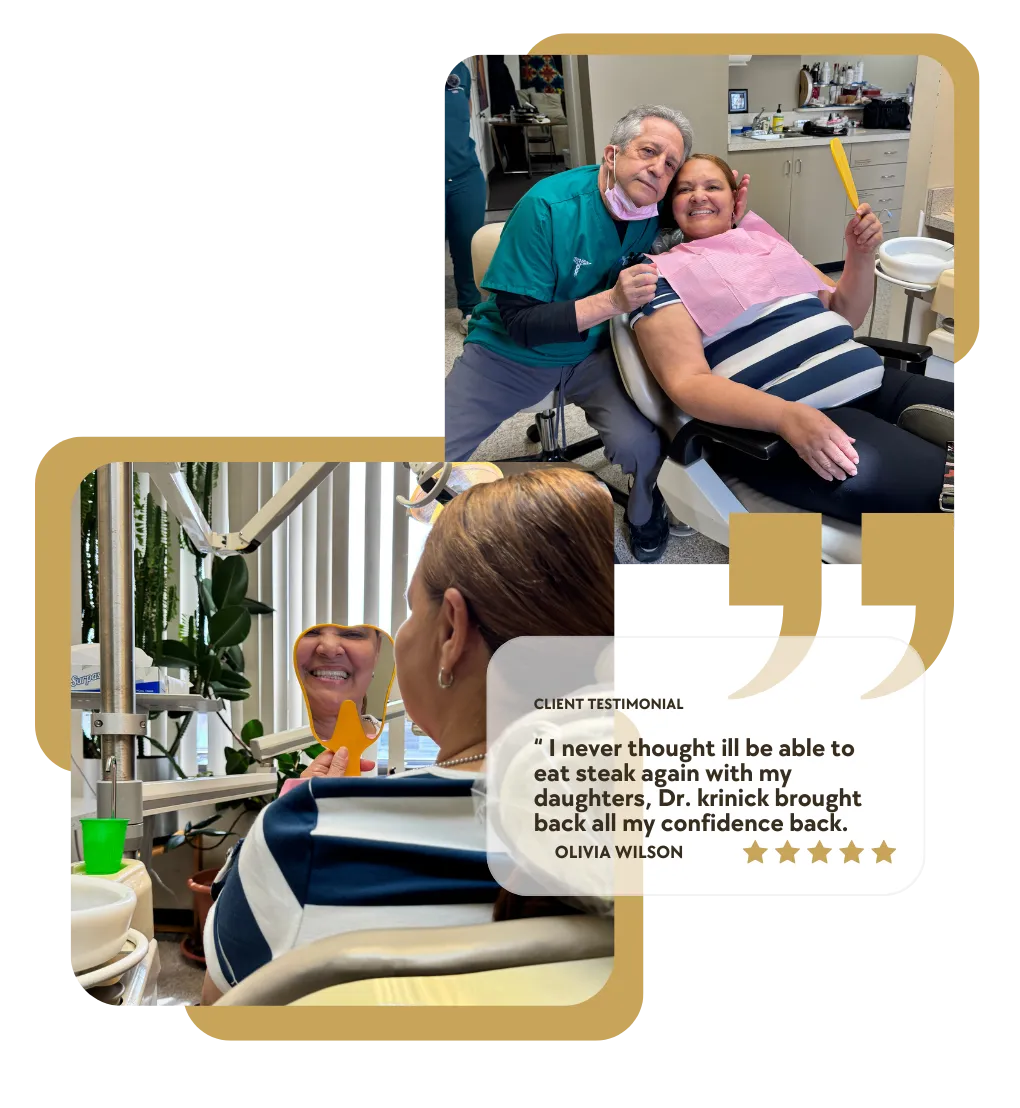
" Dr. Krinick transformed my smile with dental implants. I can eat and speak comfortably again!"
- Alvin J


"I’ve had several dental procedures over the years, but the care I received at UN dental was truly outstanding!"
- Patrick O
Accountant

"I was nervous about the procedure, but the team made me feel completely at ease. The results are incredible!"
- Deborah Witcher
Trusted by Manhattan for Over 45 Years
From diplomats to professionals, our patients consistently share 5-star experiences across Google and beyond.
Root Canal FAQs
The procedure itself is performed under local anesthesia and should not be painful. The pain associated with root canals is the infection that made treatment necessary. Most patients feel significant relief within a day or two after the procedure.
Most root canals are completed in one to two appointments of 60 to 90 minutes each. Front teeth with a single canal are simpler and faster. Molars with multiple canals may require a second visit to complete.
In most cases yes. After a root canal the tooth is structurally weakened and vulnerable to cracking. A crown protects the tooth and restores it to full function. Our team places the crown in-house as a follow-up appointment.
Saving the natural tooth is almost always the better option when it is possible. Extraction leads to bone loss, shifting of adjacent teeth, and the cost of a replacement. A root canal preserves the tooth and avoids those downstream consequences.
My question is not listed!!. Ask anything you want?
Click to below links to contact us.
Explore Related Treatments
Every procedure is available in-house and planned as part of one cohesive treatment strategy, with no outside referrals.

Dental Implants
If a tooth cannot be saved with a root canal and requires extraction, a dental implant is the best long-term replacement. Our implant team will walk you through that option.

Emergency Dentistry
If your tooth pain is severe and you need immediate attention, we accept walk-in emergency patients. Call (212) 949-6105 to be seen the same day.

Dental Crowns
A crown is typically placed after every root canal to protect and restore the treated tooth. Both procedures are handled in-house at UN Plaza.
Visit Us in Midtown East
Conveniently located steps from Grand Central and the United Nations, with easy access from across Manhattan.

919 2nd Ave #2
New York, NY 10017
(212) 949-6105
Monday - Thurs 9am to 5pm
Friday 9am to 4pm
Sat-Sun Closed
Also Visiting Westchester?
Dr. Krinick also sees patients at Westchester Dental Implant Institute in New Rochelle, offering the same standard of implant care closer to home for our Westchester County patients
WE HELP TO
Bring A Confident Smile On You
We believe everyone deserves a smile they can be proud of.
Let us help you smile with pride!

CONTACT US
For the best treatment experience
Our friendly team is ready to assist you with scheduling an appointment or answering any questions about our services. Reach out today to experience the best in dental care and let us help you achieve your perfect smile!
For any queries
(212) 949-6105

Your Smile, Our Expertise!
919 2nd Ave #2, New York, NY 10017
47 Potter Ave, New Rochelle, NY 10801
© 2026 UN Dental Plaza • All rights reserved. • Strategix Automation